 BUY
How to choose between continuous lights and strobe lights
Lighting for photography and videography can be divided into two types: lights that flash on and off once called “strobes” or “flash”, and there lights which are continuously on, aptly named “continuous” or “constant” lighting. As a beginner, or even as an avid natural light photographer, choosing the right kind of light for your project or job can be a little daunting or even intimidating, so let’s break it all down into some digestible components.
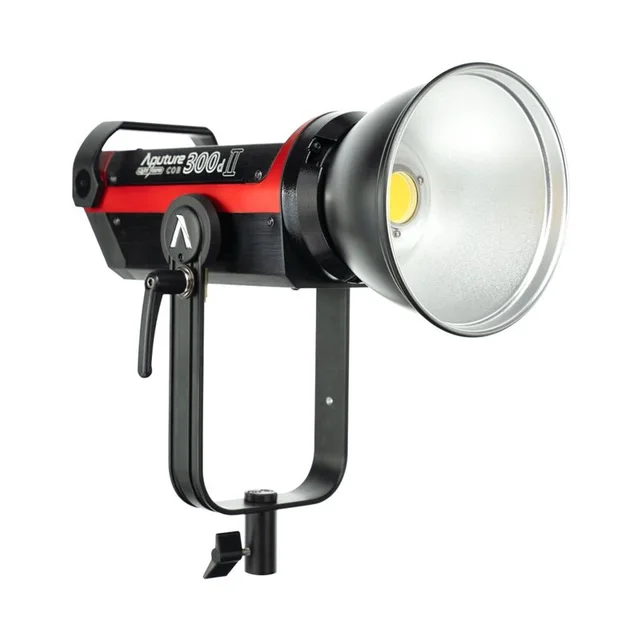
Continuous lights
Continuous lights are often viewed as the easier kind of light to get into as a beginner and are often described as ‘what you see is what you get’. They’re great for lighting scenes where you’re shooting both photos and videos at the same time as you don’t need to switch lighting setups during a shoot, and if you’re enjoying shooting using manual exposure settings, it shouldn’t be a huge leap to get into it.
Continuous lights are available in three types of colour output: daylight balanced, bi-colour and full colour:
- Daylight balanced light, generally speaking, outputs a light at colour temperature of 5500K, which is considered to be a ‘pure white’ or have no leaning towards being warm or cool
- Bi-colour lights will output a range of light from warm to neutral to cool. Having this additional functionality often comes at the cost of a lower power output when compared to the daylight balanced continuous lights
- Full colour lights will produce an extraordinary range of colours, utilising RBG+ LED lights to produce yellow, orange, red, purple, blue and green colours. They will also produce daylight balanced 5500K, as well as warm and cool tones. They are the most versatile of the continuous lights
Continuous lights have one major disadvantage when compared to flash and strobe. Continuous lights are much, much less powerful than strobes which means their use for different circumstances is limited. An example is shooting in outdoor conditions on a partly cloudy day. A continuous light may be useful for a fill light when it’s cloudy but when the sun comes out the continuous light will probably struggle to affect your scene at all, and this is where flash comes in.
Strobe & Flash
Let’s get the complicated nomenclature out of the way. You might see a range of flashes be called a number of things including but not limited to flash, speedlight, speedlite, strobe, monolight or monoblock. Let’s do a quick breakdown to demystify these a little:
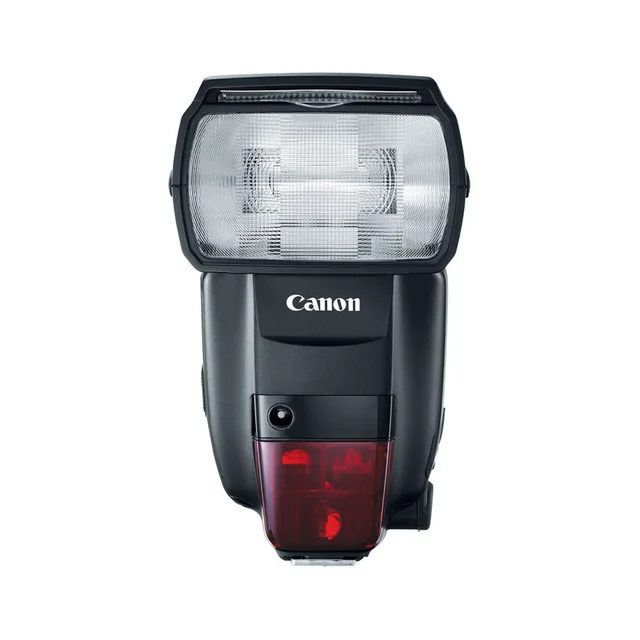
- “Flash” — this can be a generic term for basically any light source which flashes. However, “flash” is most commonly used to refer to a flash which is embedded in the camera body or which is attached on top of the camera using the hot shoe
- “Speedlight” and “speedlite” can be used interchangeably, and according to sources on the internet “speedlite” was coined by Nikon in the 1960s, but this spelling refers to the same flash which is attached to the top of the camera using the hot shoe, sometimes described as “on-camera flash”
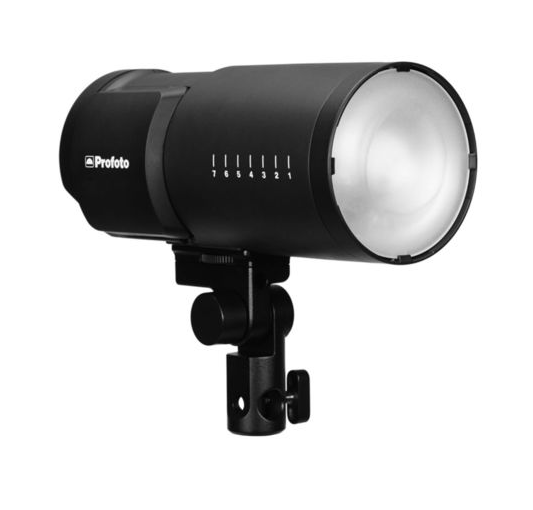
- “Strobe” — refers to a light source, generally very powerful and used on a light stand (off-camera flash), which is powered by a separate battery pack or AC power. To make matters a little confusing, “strobe” could be used to refer to a monoblock but “monoblock” cannot be used to refer a strobe
- “Monoblock” or “Monolight” — similar to a strobe, the power supply, be it battery or AC, is integrated into the body of the light
Although it might be obvious to some people, lets make it explicit: Strobes, flashes, speedlights, monoblocks are all inappropriate light sources for videography.
The greatest benefit of using any kind of flash is that you can choose to either expose your photos to include or exclude the ambient light in your scene giving you ultimate freedom in how you want to capture a photo. An additional benefit is that flash is ‘smarter’ than continuous lights as flashes have the option to use automatic modes (TTL) which communicate with your camera and lens to calculate the flash power. Flashes can be paired with coloured gels to change the colour of the light to warm or cool or any colour you have a gel for.
So that just about covers it. Have you got some questions? Give us a call or email and we’ll be happy to give guidance for your next project or job.